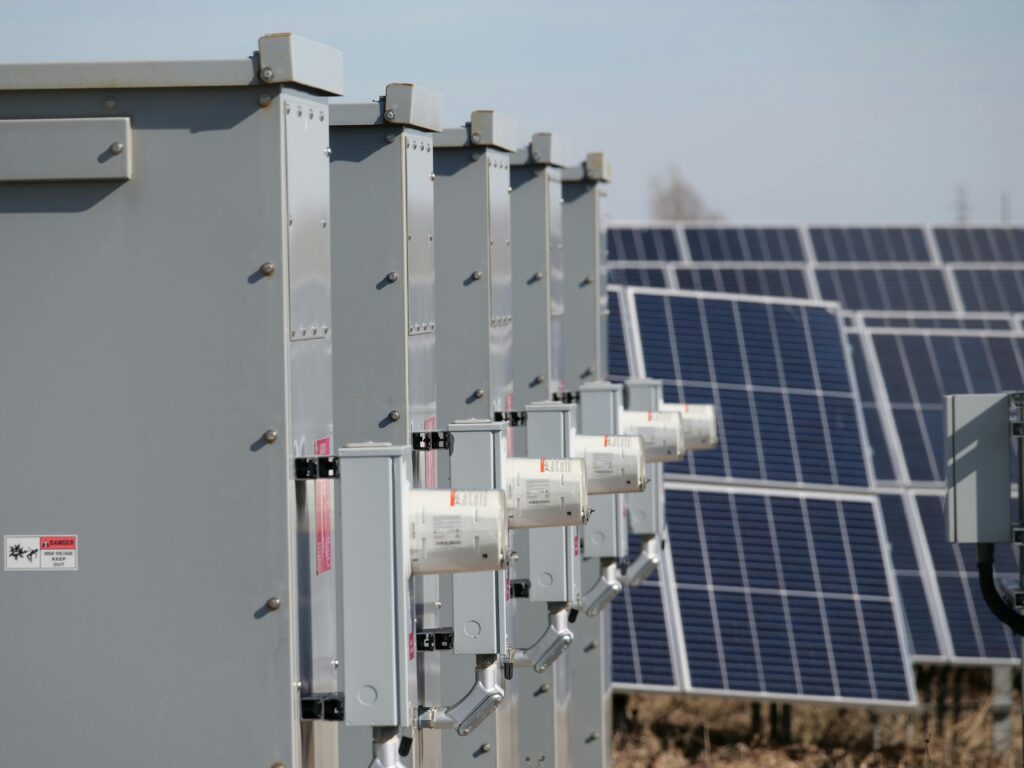

An energy storage system contains both batteries and electrical and electronic equipment, and the producer responsibility obligations for both must be fulfilled. Which parts are considered batteries and which are considered electrical and electronic equipment?
Parts Considered as Electrical and Electronic Equipment:
- Non-integrated components and equipment located outside the sealed outer casing of the battery, battery unit or battery module
- External equipment that can be purchased separately for use with the battery
- For example, energy management, ventilation and air-conditioning equipment, and fire suppression systems
If the entire energy storage system meets the definition of electrical and electronic equipment, all electronic components and the sealed outer casing are considered electrical and electronic equipment as a whole.
If the system is built inside, for example, a metal cabinet or shipping container that can be opened easily, the outer enclosure is not considered electrical and electronic equipment. In this case, the equipment contained inside the container or cabinet is considered electrical and electronic equipment.
Parts Considered as Batteries:
- Only the battery units and their integrated battery management system located inside the battery casing are considered batteries.
Remember to also fulfil the producer responsibility obligations for packaging. For example, transport packaging and service packaging fall within the scope of producer responsibility.
Examples of Equipment Related to Energy Storage
Backup power supplies and uninterruptible power supply (UPS) devices
The device is both a battery and electrical and electronic equipment. Only the battery unit inside the device is considered a battery. All other parts, including the outer casing, are considered electrical and electronic equipment.
Solar panel systems with energy storage
Even if a solar panel system is sold as a single product, the solar panels, inverters and other electronic equipment are considered electrical and electronic equipment. Only the battery units and their integrated battery management system located inside the battery casing are considered batteries.